How to Become a Licensed Psychologist in Hawaii
To become a licensed psychologist in Hawaii, you need a doctoral degree in psychology from an APA-approved program, 3,800 hours of supervised experience split between predoctoral and postdoctoral phases, and a passing score on the EPPP exam. The process typically takes nine to twelve years from bachelor’s degree to licensure.
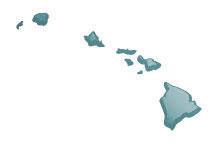
Hawaii’s demand for psychologists stretches well beyond Honolulu. Rural communities on the neighbor islands face significant shortages of mental health professionals, and telehealth has become a primary way licensed psychologists reach clients across Kauai, Maui, and Hawaii Island. If you’re planning to practice in Hawaii, understanding the licensure requirements from the start helps you plan an educational path that gets you there without detours.
Psychology licensure in Hawaii is administered by the Hawaii Board of Psychology, which operates under the state’s Department of Commerce and Consumer Affairs (DCCA), Professional and Vocational Licensing (PVL) division. The board sets educational, experience, and examination requirements for all applicants seeking to practice independently as a psychologist in the state.
Education Requirements
Hawaii requires a doctoral degree in psychology to qualify for licensure. Both a Ph.D. and a Psy.D. (Doctor of Psychology) are accepted pathways. If your degree is in clinical psychology from an APA-accredited program, you meet the degree requirement directly. If your doctoral degree is in psychology or educational psychology from a regionally accredited university rather than an APA-accredited clinical program, Hawaii requires you to submit a training report demonstrating at least six graduate semester hours in each of several core content areas, including biological bases of behavior, cognitive and affective bases of behavior, social bases of behavior, individual differences, and research methods.
Bachelor’s and master’s degrees in psychology are stepping stones on the path to licensure, but they’re useful in their own right. A master’s in psychology qualifies graduates for a range of human services positions that don’t require a doctorate. Understanding how the psychologist credential compares to an LCSW can help clarify whether a doctoral program fits your goals. If you’re still deciding whether a doctoral program is the right fit, it’s worth knowing that a master’s degree keeps professional options open while you figure that out.


Supervised Experience
Hawaii requires 3,800 total hours of supervised professional experience before you can sit for licensure. Those hours are split into two phases. The first 1,900 hours come from a predoctoral internship, completed as part of your doctoral program and typically structured as a full-time, year-long placement after coursework and comprehensive exams are finished. The internship must be APA-accredited or meet equivalent standards set by the board. The second 1,900 hours are completed postdoctorally, under the supervision of a licensed psychologist in Hawaii.
Both phases require direct supervision by a licensed psychologist. Your supervisor will verify your hours and attest to the quality of your work when you submit your licensure application. The board does not accept job descriptions or position agreements in place of a signed supervisor affidavit.
The EPPP Examination
Once your educational and supervised experience requirements are complete, you apply to take the Examination for Professional Practice in Psychology (EPPP). Hawaii requires a minimum score of 500 to pass. The EPPP covers eight content domains, including biological bases of behavior, assessment and diagnosis, treatment and intervention, and ethical and legal standards. The Association of State and Provincial Psychology Boards (ASPPB), which administers the exam, provides study resources and registration information on its website.
Alternative Licensure Pathways
Hawaii offers several licensure pathways for applicants who already hold credentials from other recognized bodies. If you hold a Certificate of Professional Qualification in Psychology (CPQ) or a credential from the National Register of Health Service Providers in Psychology, you can apply through a separate procedure that streamlines parts of the standard application process. The same applies to those holding an ABPP diplomate certificate in good standing.
A senior psychologist license is available to applicants who have been licensed for at least 20 years in another U.S. jurisdiction, hold a doctoral degree, and have no disciplinary actions on record. The board also issues temporary permits to out-of-state psychologists who want to practice in Hawaii for a limited period, up to 90 days, provided they hold a license issued under comparable standards in their home state.
License Renewal
Hawaii psychology licenses are renewed by June 30 of every even-numbered year. Continuing education requirements apply per Hawaii Board rules. Confirm specific timing requirements with the DCCA for your licensure situation. The requirement is 18 hours of continuing education (CE) per two-year renewal cycle. Licenses not renewed by the expiration date are considered lapsed, and a lapsed license holder may not practice.
A lapsed license may be restored within a defined period; beyond that, reapplication under current requirements is necessary. Check with the DCCA for the current restoration window. Current application forms, fee schedules, and renewal instructions are available directly through the Hawaii DCCA Board of Psychology. Licensing requirements do change, so check the board’s site for the most current information before submitting any application.
Career Settings and Salary
Licensed psychologists in Hawaii work across a range of settings. Hospitals and medical centers across the state employ clinical and health psychologists. Hawaii’s public schools hire school psychologists, though they hold a separate credentialing system from the Board of Psychology. Private practice is a common path for those drawn to direct therapeutic work, particularly on Oahu. On the neighbor islands, telehealth is increasingly how psychologists extend their reach to communities with limited in-person access to mental health services. If you’re also weighing the LPC path, our guide to counseling licensure in Hawaii walks through those requirements.
According to the Bureau of Labor Statistics, the average annual salary for clinical and counseling psychologists in Hawaii is $110,900, which exceeds the national average for this occupation.
Professional Associations
Two state-level organizations are worth knowing as you build your career in Hawaii psychology. The Hawaii Psychological Association (HPA) is an affiliate of the American Psychological Association and advocates for psychologically healthy communities across the state. Members get access to continuing education events, a 24-hour referral service, student mentorship, and an annual convention. The Hawaii Association of School Psychologists (HASP) focuses specifically on learning and social-emotional development for children and families, with professional development, legislative advocacy, and leadership opportunities for members.
Frequently Asked Questions
How long does it take to become a licensed psychologist in Hawaii?
The full path from bachelor’s degree to licensure typically takes nine to twelve years. That includes four years for a bachelor’s degree, four to seven years for a doctoral program, and one to two years completing the postdoctoral supervised experience requirement before sitting for the EPPP.
Does Hawaii accept a Psy.D. for licensure, or is a Ph.D. required?
Both degrees qualify for licensure in Hawaii. A Psy.D. from an APA-accredited clinical psychology program meets the educational requirement the same way a Ph.D. does. Your choice between the two should be driven by your professional goals and the training each program emphasizes, not by licensure eligibility.
What happens if my Hawaii psychology license lapses?
A lapsed license means you cannot legally practice as a psychologist in Hawaii. A lapsed license may be restored within a defined period. Beyond that, reapplication under current requirements is necessary. Check with the DCCA for the current restoration window and applicable fees.
Can I practice temporarily in Hawaii if I’m licensed in another state?
Yes. The Board of Psychology issues temporary permits to out-of-state psychologists who are licensed under comparable standards in their home jurisdictions. A temporary permit authorizes up to 90 days of practice in Hawaii within a year. The board may authorize extensions in certain cases.
Is Hawaii part of PSYPACT?
Hawaii has considered joining PSYPACT, the Psychology Interjurisdictional Compact that allows licensed psychologists to practice across member states. Membership status can change, so check the PSYPACT Commission website for current information before making any practice decisions based on compact eligibility.
Key Takeaways
- A doctoral degree is required. Both a Ph.D. and a Psy.D. in psychology qualify, provided the program meets Hawaii’s accreditation and content-area standards.
- 3,800 supervised hours in two phases. 1,900 predoctoral internship hours plus 1,900 postdoctoral hours, both under licensed psychologist supervision.
- EPPP passing score of 500. The exam covers eight content domains and is administered through ASPPB.
- Renewal every two years. Licenses expire June 30 of even-numbered years with 18 CE hours required each cycle.
- Alternative pathways exist. CPQ holders, National Register credential holders, ABPP diplomates, and 20-year licensed practitioners all have streamlined application options.
Ready to plan your path? Explore psychology degree programs and state-by-state licensing guides to map out your next steps.
U.S. Bureau of Labor Statistics, May 2024. Salary figures for Clinical and Counseling Psychologists. Salaries based on state data, not school-specific information. Conditions in your area may vary—data accessed April 2026.